How Community Projects Help Students Build Empathy And Confidence
In modern education, schools are looking for learning experiences that help students grow not only academically, but also personally and socially. Students need opportunities to understand people, communicate across cultures, work with others and develop confidence in real-world situations. This is why community projects have become an important part of meaningful Vietnam School Tours.
A well-designed school tour should be more than sightseeing. It should help students move beyond observation and become active learners. When students participate in community projects in Vietnam, they meet local people, learn about real needs, take part in age-appropriate activities and reflect on what these experiences mean. Through this process, students begin to build empathy, confidence, teamwork and a stronger sense of global responsibility.
Community projects do not need to be large or complicated to be meaningful. A reading corner, a hygiene awareness activity, a school exchange, a classroom improvement project or an environmental learning activity can all create powerful learning moments. What matters most is that the project is designed with respect, safety, local relevance and clear educational purpose.
Why Community Projects Matter In School Travel
Many students travel internationally and return home with beautiful photos. But meaningful educational travel should create something deeper. It should help students understand how people live, what challenges communities face, what strengths they have and how students can learn from them with humility.
Community projects provide this deeper layer of learning.
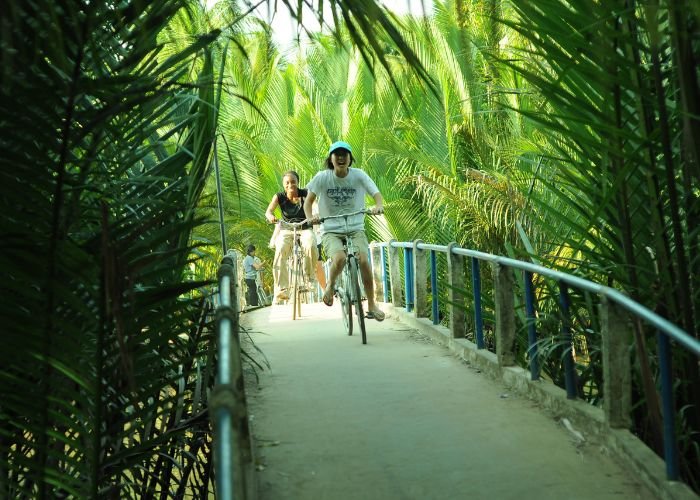
During Vietnam School Tours, students may visit rural schools, farming villages, river communities, mountain homes or local family workshops. Instead of only watching from a distance, they participate in guided activities that connect them with people and real-life contexts.
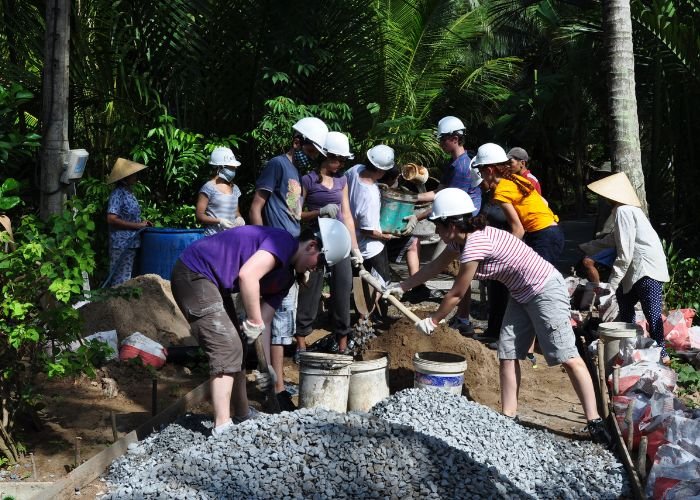
For example, students may help organize books for a school library, create hygiene posters, join reading activities with local children, support school exchange games or take part in environmental awareness sessions. These activities are simple, safe and age-appropriate, but they help students understand that learning happens through participation.
When students contribute to a community project, they begin to see travel differently. They are no longer just visitors. They become learners, listeners and respectful participants.
Building Empathy Through Real Human Connection
Empathy is one of the most important outcomes of community-based learning. Students can learn about global issues in class, but those issues often feel distant. They may hear about education access, rural development, public health or sustainability, but it is only through real human connection that these topics become personal.
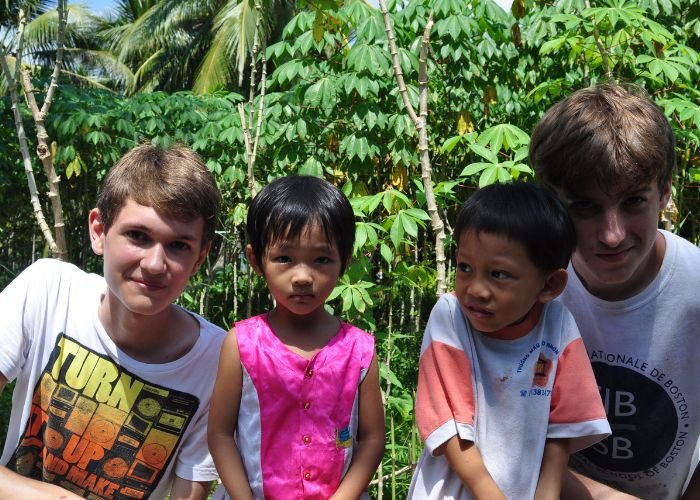
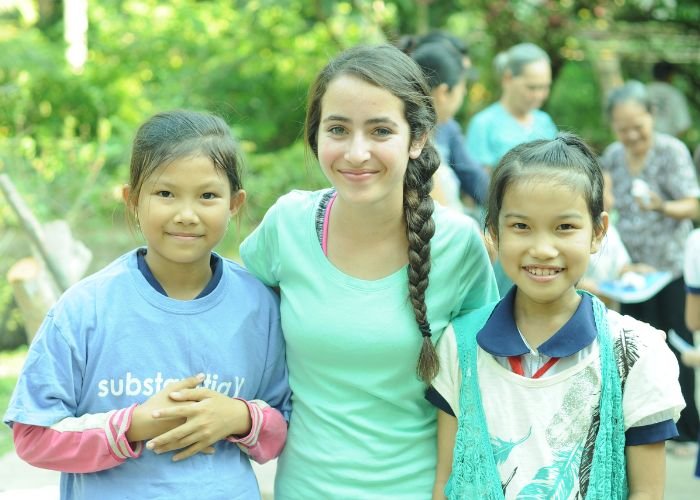
When students meet local teachers, families, children, farmers or artisans, they begin to understand daily life from another perspective. They see that people may live differently, but they share many common values: family, education, safety, friendship, hope and dignity.
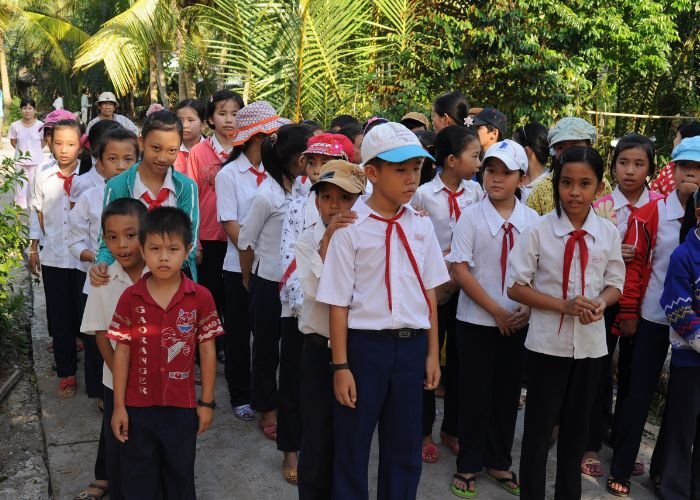
A student may read about rural education in a textbook. But when that student visits a local school, joins activities with Vietnamese students and sees how teachers support learning with limited resources, the topic becomes real. The student begins to understand not only the challenge, but also the dedication and resilience of the school community.
This is the kind of empathy that Vietnam School Tours can create when they are designed carefully.
Responsible community projects should never encourage students to feel pity or superiority. The goal is not for students to think, “We are here to save people.” The goal is for them to think, “We are here to learn, contribute appropriately and respect the people we meet.”
Empathy grows when students listen with openness, observe with care and reflect honestly.
Confidence Grows Outside The Comfort Zone
Community projects also help students build confidence. Many students are used to familiar routines: their own school, their own language, their own friends and their own cultural environment. A school tour in Vietnam gently places them in new situations where they need to adapt, communicate and participate.
At first, some students may feel shy during a school exchange. They may not know how to start a conversation with local students. They may worry about language barriers or cultural differences. But through simple activities such as games, art, music, reading or teamwork, they begin to relax and connect.
Small moments can create big growth.
A quiet student may volunteer to lead a group activity. Another student may help explain a game to local children. A student who feels nervous speaking in public may present a reflection at the end of the day. A student who has never joined a community project may realize that they can contribute in a meaningful way.
These experiences help students believe in themselves. They learn that confidence is not about knowing everything in advance. It is about being willing to try, listen, adapt and participate.
This is one of the most valuable benefits of project-based Vietnam School Tours.
Students Learn To Communicate Across Cultures
Communication in community projects is not only about language. It is about body language, patience, kindness, listening and cultural sensitivity.
When international students meet Vietnamese students or community members, there may be language differences. But communication still happens through smiles, gestures, shared activities, drawing, games, teamwork and simple words.
This teaches students an important lesson: communication is not only about speaking perfectly. It is about making an effort to understand and be understood.
During Vietnam School Tours, students may practice communication through interviews, group activities, cultural exchange, guided questions, reflection circles or project presentations. These experiences help students become more open-minded and flexible.
They also learn to slow down. Instead of rushing to speak, they learn to observe. Instead of assuming, they learn to ask. Instead of judging differences, they learn to understand context.
These communication skills are valuable far beyond the school tour. They support students in future study, leadership, teamwork and international careers.
Community Projects Teach Teamwork In Real Settings
Teamwork is often discussed in schools, but community projects allow students to practice it in real situations. When students take part in a project, they need to cooperate, divide responsibilities, support classmates and stay focused on a shared goal.
For example, a group may work together to prepare a reading activity for local students. Some students may organize books, others may design posters, others may lead games and others may present the activity. Everyone has a role.
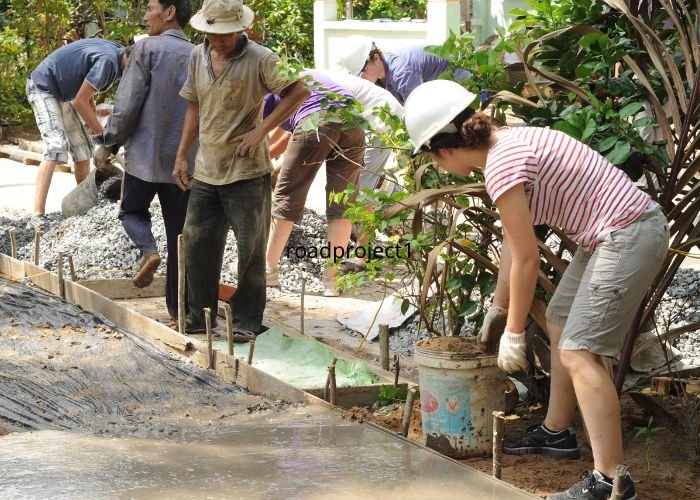
In another project, students may help prepare a learning space, support hygiene awareness or organize materials for a school activity. These tasks require planning, communication and responsibility.
Real teamwork is not always perfect. Students may need to adjust plans, solve small problems or help classmates who feel unsure. This helps them understand that teamwork is not just about completing tasks. It is about cooperation, patience and shared purpose.
Vietnam School Tours give students the chance to practice teamwork in settings where their actions feel meaningful.
Community Projects Support Responsible Service Learning
One of the most important principles of community projects is responsible service learning. This means that students contribute in ways that are safe, respectful and genuinely useful, while also learning from the experience.
Service learning is different from charity. It should not be about short-term emotional impact or taking photos of “helping.” It should be about partnership, humility and education.
In responsible Vietnam School Tours, community projects are selected based on real local needs and planned with local schools, partners or community leaders. Students do not perform unsafe technical work. If a project involves construction, plumbing, electrical work or structural repairs, local professionals handle those tasks. Students participate in age-appropriate support activities such as organizing, painting suitable surfaces, preparing learning materials, joining school exchange or leading reflection-based activities.
The purpose is to help students understand the project, respect the community and reflect on the meaning of service.
This approach helps students learn that meaningful service begins with listening.
Reflection Turns Experience Into Growth
Community projects become more powerful when students reflect on them. Without reflection, students may remember what they did, but not fully understand what they learned.
Reflection helps students connect action with meaning.
During Vietnam School Tours, reflection can happen through journals, group discussion, teacher-led questions, creative presentations or personal sharing. Students may reflect on questions such as:
What did I notice today?
What surprised me?
What did I learn about the community?
How did I feel during the project?
What assumptions did I have before this experience?
What does responsible service mean?
How can I apply this learning in my own life?
These questions help students move from experience to understanding. They begin to see how community, culture, education, environment and personal responsibility are connected.
Reflection also helps students recognize their own growth. They may realize they became more patient, more confident, more respectful or more aware of the world around them.
Why Vietnam Is A Strong Setting For Community Projects
Vietnam offers a rich and meaningful setting for community-based learning. The country has diverse landscapes, strong cultural traditions, dynamic communities and many opportunities for educational engagement.
In the Mekong Delta, students can learn through river life, farming communities, local schools, sanitation projects and environmental awareness. In the Central Highlands, they can explore coffee culture, ethnic diversity, forests, village life and sustainability. In Northwest Vietnam, they can connect with mountain communities, rural schools, responsible trekking and cultural diversity.
These destinations give students different ways to understand Vietnam. But the real value comes from how the program is designed. A good school tour should include clear learning goals, local partnership, safe student activities, cultural briefing and guided reflection.
When these elements come together, Vietnam School Tours can become deeply meaningful for students and schools.
Conclusion
Community projects help students build empathy and confidence because they create real human connection. Students learn by meeting people, joining meaningful activities, communicating across cultures, working as a team and reflecting on their experiences.
Vietnam School Tours that include community projects can help students grow beyond sightseeing. They begin to understand education, culture, sustainability, public health and community life in a more personal and thoughtful way.
Most importantly, students learn that they are not just travelers. They are learners, listeners and young global citizens.
When community projects are designed with safety, respect and educational purpose, they can become some of the most powerful learning experiences in a student’s life.