How Project Based School Tours Help Students Learn Beyond The Classroom
In today’s education, students need more than textbooks, classroom lessons and online research. They need opportunities to see how knowledge connects with real people, real communities and real-world challenges. This is why project based school tours are becoming an important part of modern international education.
For schools looking for meaningful learning outside the classroom, Vietnam School Tours offer a powerful way to combine travel, culture, community engagement and student reflection. Vietnam is not only a beautiful destination. It is a living classroom where students can learn about history, environment, public health, rural development, education access, cultural diversity and global citizenship through direct experience.
Unlike ordinary sightseeing trips, project based school tours are designed around learning outcomes. Students do not simply visit famous places, take photos and move on to the next attraction. Instead, they participate in carefully planned activities that help them understand how people live, work, study and adapt to different social and environmental conditions.
What Makes Project Based School Tours Different?
A normal school trip may include museums, monuments, cultural performances and city tours. These experiences can be valuable, but they often remain observational. Students see things from the outside.
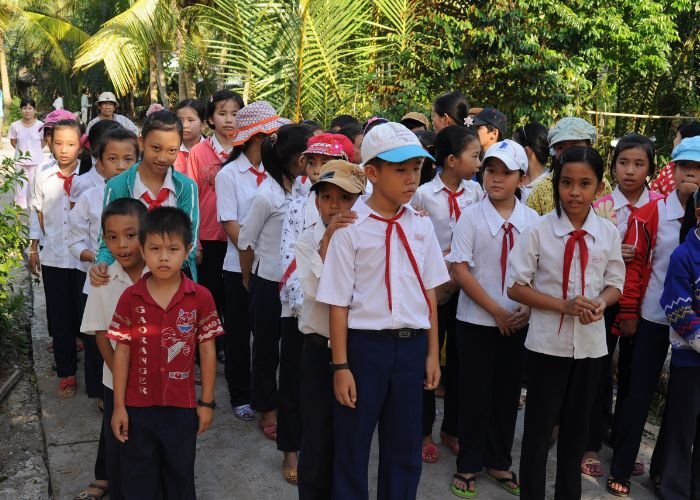
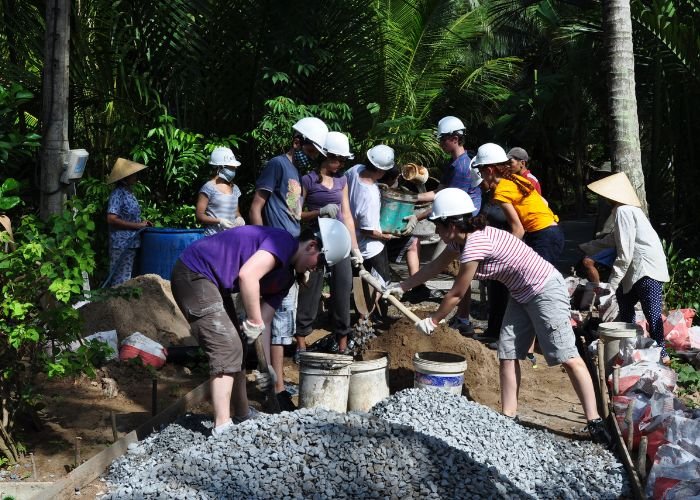
Project based school tours go deeper. They invite students to engage with a community, understand a local issue and participate in age-appropriate activities connected to real needs. This may include helping create a reading corner for a rural school, joining a hygiene awareness activity, supporting a classroom renovation project, learning from local farmers or participating in a school exchange with Vietnamese students.
In this kind of program, students are not passive visitors. They become active learners. They ask questions, listen to local stories, work with classmates, reflect on what they experience and connect the journey with larger themes such as sustainability, education equity, public health, culture and responsible travel.
This is the core value of Vietnam School Tours that focus on project based learning. Students learn by doing, observing, discussing and reflecting.
Vietnam As A Living Classroom
Vietnam is a strong destination for project based school tours because the country offers diverse learning environments in a compact and accessible way. Students can explore urban life in Ho Chi Minh City, river communities in the Mekong Delta, coffee culture and ethnic diversity in the Central Highlands, or mountain communities in Northwest Vietnam.
Each region offers a different educational lens.
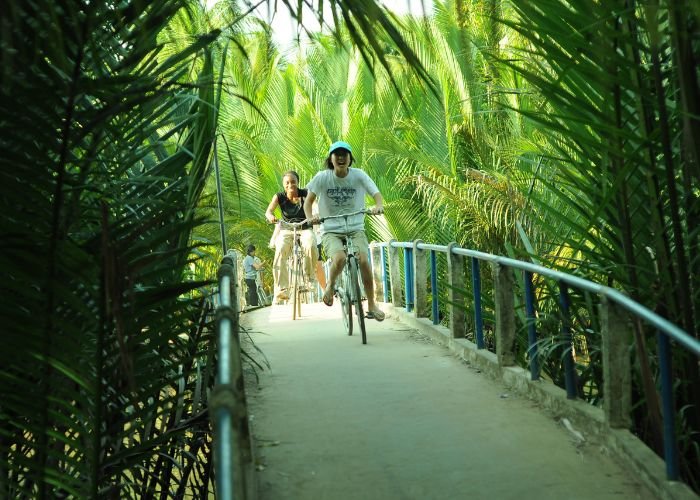
In the Mekong Delta, students can learn about river life, agriculture, climate awareness, water management, local schools and community resilience. They may see how families live with canals, boats, seasonal rain, farming routines and environmental change.
In the Central Highlands, students can explore coffee farming, forests, ethnic cultures, village life and local livelihoods. This creates opportunities to discuss sustainability, cultural identity, land use and the relationship between people and nature.
In Northwest Vietnam, students can learn from mountain communities, responsible trekking, rural schools, homestay experiences and cultural diversity. These experiences help students understand how geography shapes daily life, education access and community connection.
Through Vietnam School Tours, the destination becomes more than a place to visit. It becomes a real-world learning environment.
Building Empathy Through Human Connection
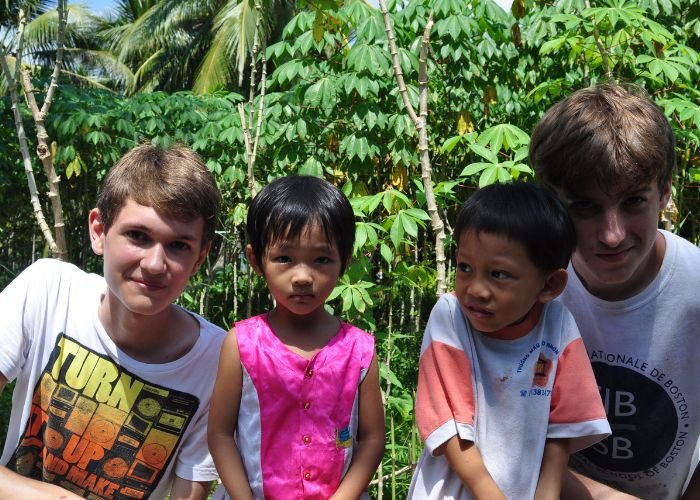
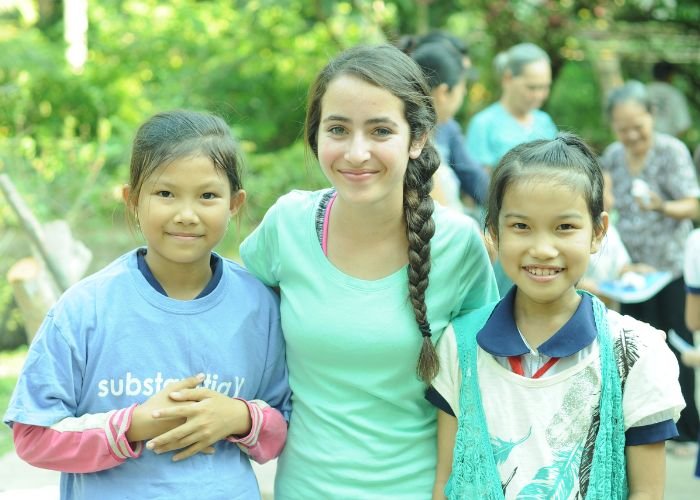
One of the most important benefits of project based school tours is empathy. Students often learn about global issues in class, but those issues can feel distant or abstract. When students meet local students, teachers, families, farmers or community members, they begin to understand real life from a human perspective.
For example, a student may read about education inequality in a textbook. But when that student visits a rural school, sees the classroom conditions, speaks with teachers and joins a learning activity with local children, the idea becomes more personal and meaningful.
This does not mean students should see communities as places of poverty or charity. A responsible project based tour must avoid “charity tourism.” The goal is not for visiting students to feel like they are saving others. The goal is to help them learn with respect, humility and curiosity.
Good Vietnam School Tours should encourage students to ask thoughtful questions: What can we learn from this community? What challenges do people face? What strengths do they have? How are education, environment, culture and daily life connected? What does responsible service really mean?
These questions help students develop empathy without pity, and respect without judgment.
Developing Confidence, Communication And Teamwork
Project based school tours also help students grow personally. When students travel to a new country, interact with people from different cultures and participate in unfamiliar activities, they are gently pushed outside their comfort zone.
They may need to introduce themselves to local students, work in small groups, help lead a simple activity, present their reflections, interview a community member or cooperate with classmates on a project task. These experiences help students build confidence and communication skills.
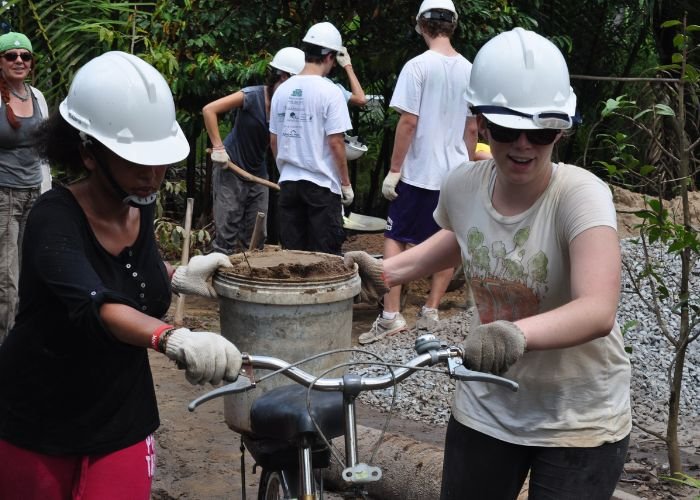
Teamwork also becomes real. In a classroom, teamwork may mean completing a group assignment. During a project based school tour, teamwork may mean organizing materials, planning a school exchange activity, helping prepare a reading corner or supporting a group reflection presentation.
Students learn that teamwork is not only about dividing tasks. It is about listening, adapting, supporting others and working toward a shared purpose.
This is why Vietnam School Tours can be especially valuable for international schools, high schools and university groups that want students to develop leadership and collaboration skills in real settings.
Connecting Classroom Learning With Real Life
A strong project based school tour should connect directly with educational themes. Depending on the program, students may explore topics such as:
Education access and rural schools
Public health and sanitation
Literacy and reading culture
Climate change and water management
Sustainable agriculture
Cultural diversity
Local livelihoods
Community development
Responsible travel
Global citizenship
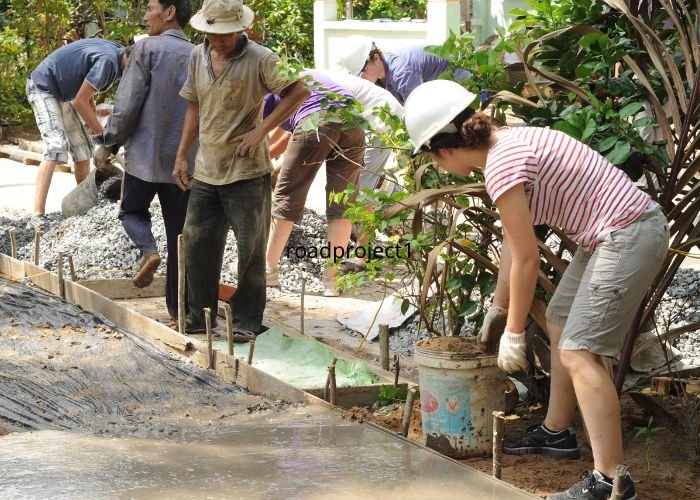
For example, a school sanitation project can help students understand the connection between hygiene, health, dignity and learning. A library project can open discussion about literacy, confidence and educational opportunity. A rural road or bridge project can show how infrastructure affects school access, farming, safety and daily life.
When students see these connections in real life, learning becomes more powerful. They begin to understand that subjects are not separate. Geography connects with economics. Public health connects with education. Culture connects with identity. Environment connects with livelihoods.
This interdisciplinary learning is one of the strongest advantages of project based Vietnam School Tours.
The Importance Of Reflection
Experience alone is not enough. Students need time and guidance to process what they have seen and done. This is where reflection becomes essential.
A good project based school tour should include daily reflection sessions. These may be simple group discussions, journal writing, guided questions, creative presentations or teacher-led debriefs.
Reflection helps students move from “What did we do today?” to deeper questions such as:
What did I learn today?
What surprised me?
What challenged my assumptions?
How did this experience connect with what I study at school?
What did I learn about myself?
How can I become a more responsible global citizen?
Without reflection, a school tour can become just a busy schedule. With reflection, travel becomes education.
Why Schools Should Choose Project Based Vietnam School Tours
For schools, project based Vietnam School Tours offer a meaningful way to support student growth beyond academic knowledge. These journeys help students build empathy, confidence, teamwork, cultural understanding and social responsibility.
They also give teachers a powerful platform for experiential learning. Instead of only teaching global citizenship as a concept, teachers can help students experience it through real communities, real projects and real conversations.
Vietnam is especially suitable because it offers a rich combination of culture, history, nature, community life and educational project opportunities. With the right planning, schools can design journeys that are safe, age-appropriate, respectful and connected to clear learning outcomes.
Conclusion
Project based school tours help students learn beyond the classroom by turning travel into meaningful education. They allow students to connect academic ideas with real life, build human understanding, develop confidence and reflect on their role in the world.
Vietnam School Tours are not only about discovering a new country. They are about helping students discover new ways of seeing, thinking and learning.
When designed with purpose, safety and respect, a project based school tour in Vietnam can become one of the most memorable and transformative learning experiences in a student’s education journey.