Why Vietnam Is A Powerful Living Classroom For International Students
In modern education, learning is no longer limited to classrooms, textbooks or digital screens. Schools today are looking for meaningful ways to help students understand the world through real people, real places and real experiences. This is why Vietnam School Tours are becoming a powerful choice for international schools, high schools and universities that want students to learn beyond ordinary travel.
Vietnam is more than a destination with beautiful landscapes and rich history. It is a living classroom where students can explore culture, community, sustainability, public health, education, agriculture, history and global citizenship through direct experience. From river communities in the Mekong Delta to coffee farms in the Central Highlands and mountain villages in Northwest Vietnam, the country offers students a deep and human way to understand how people live, work, learn and adapt.
A well-designed school tour in Vietnam does not simply take students from one famous attraction to another. It helps them slow down, observe carefully, ask thoughtful questions, join meaningful activities and reflect on what they learn. This is what makes Vietnam a powerful living classroom for international students.
Vietnam Helps Students Connect Learning With Real Life
One of the strongest benefits of Vietnam School Tours is the opportunity to connect classroom learning with real-world situations. Students may study geography, history, sustainability, public health or culture in school, but those subjects become much more meaningful when they can see them in daily life.
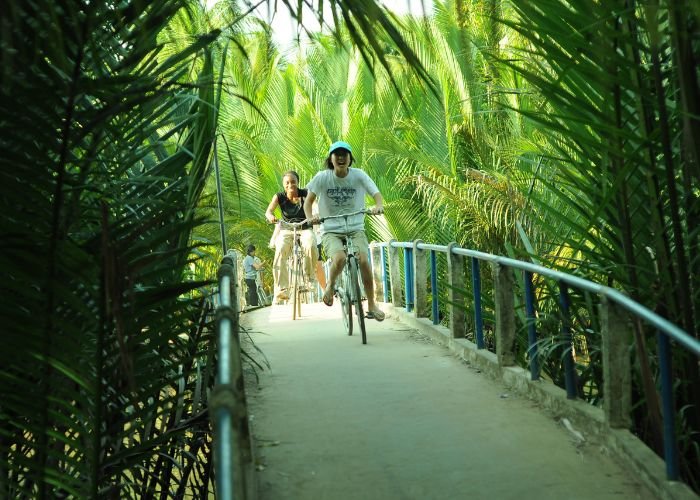
For example, when students visit the Mekong Delta, they can learn how rivers and canals shape transportation, farming, food culture and family life. They can see how water is not only a natural resource, but also part of people’s homes, livelihoods and local identity.
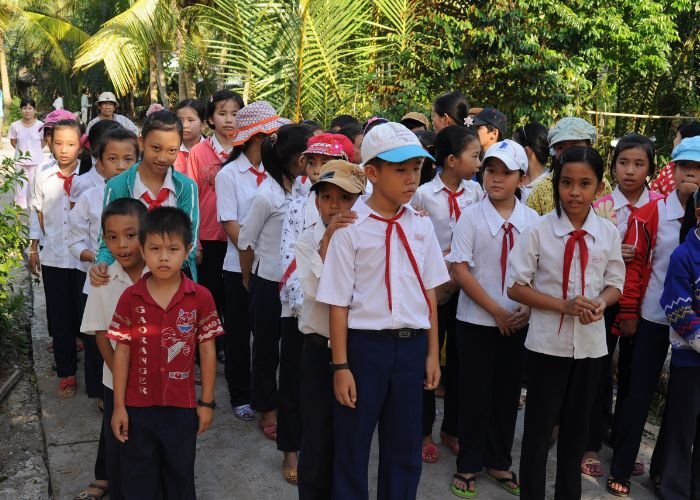
When students visit a rural school, they can understand that education is not only about teachers and textbooks. It is also connected to school facilities, sanitation, access roads, family income, weather conditions and community support.
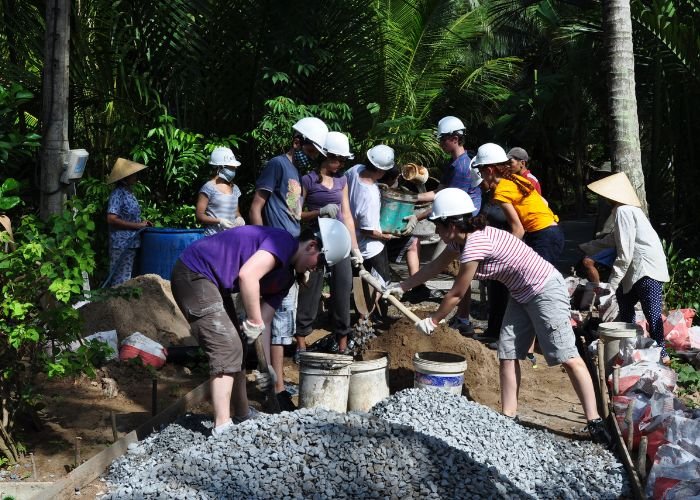
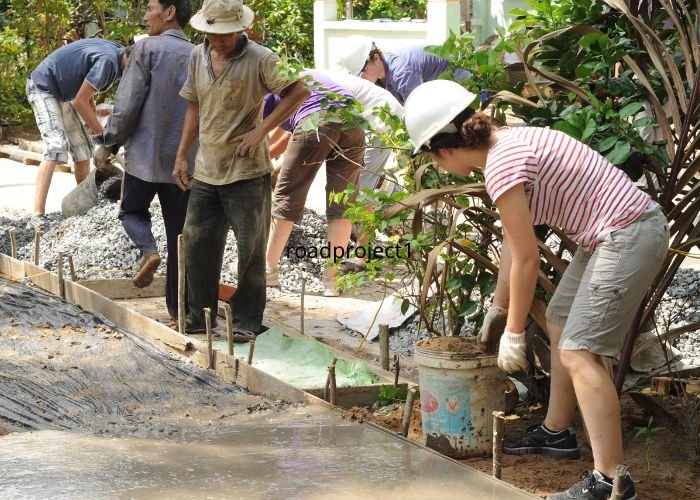
When students join a community project, they can see how small improvements, such as a reading corner, a clean toilet facility or a safer classroom, can support learning, health and dignity.
These experiences help students understand that real life is connected. Environment, culture, economy, education and community are not separate topics. They influence one another every day.
Culture Becomes Something Students Experience, Not Just Observe
Many school trips include cultural activities, but not all of them allow students to truly understand culture. In Vietnam, culture is not only found in museums, temples or performances. It is found in daily meals, family workshops, village markets, farming routines, local schools, community festivals, traditional crafts and conversations with local people.
Through Vietnam School Tours, students can experience culture in a more personal and meaningful way. They may learn how a family prepares traditional food, how farmers grow rice or coffee, how artisans create handmade products, or how students in a local school share their daily learning life.
This kind of cultural learning helps students move beyond simple comparison. Instead of thinking, “This is different from my country,” they begin to ask deeper questions: Why do people live this way? What values shape this community? What can I learn from this culture? How does my own culture influence the way I see the world?
These questions are important for international students because they help build cultural sensitivity, respect and open-mindedness.
Vietnam Encourages Empathy Through Human Connection
A powerful living classroom should help students become more empathetic. Vietnam offers many opportunities for this because students can meet people from different backgrounds and understand their stories directly.
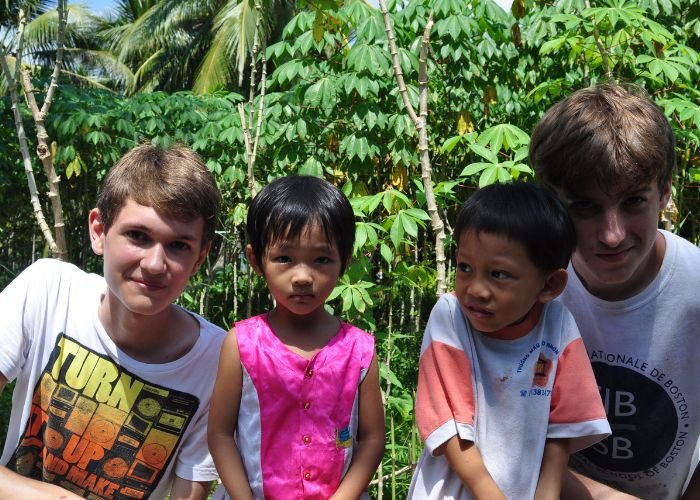
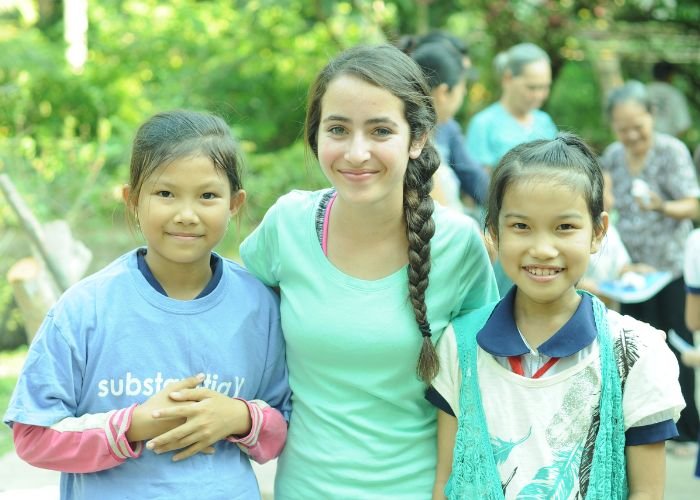
During a school exchange, international students may join games, art activities, English conversation, sports or group projects with Vietnamese students. These moments may seem simple, but they can create strong human connection.
Students begin to realize that although they may come from different countries, they share many common feelings, hopes and challenges. They may laugh together, learn from each other and discover that communication is not only about perfect language. It is also about kindness, patience, curiosity and respect.
Community-based experiences can also help students understand resilience. They may meet teachers working in rural schools, families living in farming communities or local people adapting to environmental challenges. These encounters help students see real people behind global topics such as education access, sustainability, public health and rural development.
The goal is not to create pity. Responsible Vietnam School Tours should never present local communities as helpless. Instead, they should help students understand both challenges and strengths. Students learn to respect local knowledge, community effort and human dignity.
Vietnam Supports Service Learning With Purpose
Service learning is one of the most valuable parts of many Vietnam School Tours. However, it must be designed carefully. Good service learning is not charity tourism. It is not about students arriving for a short time, taking photos and feeling like they have “helped.”
Responsible service learning combines contribution, humility and reflection. Students participate in age-appropriate activities that support a real local need while also learning from the experience.
In Vietnam, students may support projects related to school sanitation, library setup, classroom improvement, environmental awareness, reading activities, hygiene education or community exchange. Technical construction work should always be handled by local professionals. Students take part in safe and supervised tasks suitable for their age and ability.
The educational value comes from understanding why the project matters. For example, a sanitation project can help students learn about public health, dignity and school wellbeing. A library project can help them understand literacy, confidence and educational opportunity. A classroom renovation project can help them see how learning environments affect motivation and pride.
When service learning is done with respect, students learn that meaningful contribution begins with listening. They also learn that communities are partners, not objects of charity.
Vietnam Offers Strong Lessons In Sustainability
Vietnam is an excellent destination for students to explore sustainability because the country shows how people and nature are deeply connected. Students can learn about rivers, forests, farms, mountains, climate, biodiversity and local livelihoods in real settings.
In the Mekong Delta, students can explore water management, agriculture, river ecosystems and climate challenges. In the Central Highlands, they can learn about coffee production, forests, ethnic communities and sustainable livelihoods. In Northwest Vietnam, students can experience mountain landscapes, responsible trekking, rural homes and cultural diversity.
These learning environments help students understand sustainability in a practical way. They see that environmental issues are not only scientific topics. They affect food, income, education, health, transportation and community life.
This is especially important for international students who are preparing to become future leaders, professionals and global citizens. Vietnam School Tours can help them understand that responsible choices matter, and that sustainability must be connected to real people and local realities.
Reflection Turns Travel Into Education
A school tour becomes truly educational when students have time to reflect. Without reflection, travel may become only a busy schedule. With reflection, experiences become learning.
During Vietnam School Tours, students can use journals, group discussions, guided questions, creative presentations or teacher-led debriefs to process what they have seen and done.
Reflection helps students ask important questions:
What did I learn today?
What surprised me?
What challenged my assumptions?
How did this experience connect with what I study at school?
What did I learn about people, culture and community?
What does responsible travel mean?
How can I become a more thoughtful global citizen?
These questions help students turn experience into personal growth. They also help teachers connect the journey with school curriculum and learning outcomes.
Why Vietnam Is Ideal For International Students
Vietnam is especially suitable for international students because it offers diversity, accessibility and meaningful learning opportunities in one country. Students can experience cities, villages, rivers, mountains, schools, farms, markets, community projects and cultural heritage within a carefully designed program.
The country is also welcoming and dynamic. Students can see both tradition and modern change. They can learn about history while also observing contemporary life. They can explore local communities while also understanding Vietnam’s role in a changing global world.
For schools, Vietnam School Tours can be designed around many educational goals, including global citizenship, leadership, cultural understanding, sustainability, service learning, public health, history, geography and community development.
This flexibility allows schools to create programs that match student age, curriculum goals, safety requirements and desired learning outcomes.
Conclusion
Vietnam is a powerful living classroom because it allows students to learn through real communities, real challenges and real human connection. It helps students understand that education is not only about information. It is also about empathy, awareness, responsibility and reflection.
Well-designed Vietnam School Tours can help international students grow beyond sightseeing. They learn to listen, observe, participate and think more deeply about the world around them.
For schools seeking meaningful educational travel, Vietnam offers something truly valuable: a place where students can connect classroom learning with life, culture with community, and travel with personal growth.