How Cultural Exchange In Vietnam Helps Students Understand The World Differently
In a connected world, students need more than academic knowledge. They need the ability to understand people from different backgrounds, communicate with respect and see the world from perspectives beyond their own daily lives. This is why cultural exchange has become an important part of meaningful Vietnam School Tours.
A school tour in Vietnam should not only introduce students to landscapes, historical sites and famous attractions. It should help them meet people, listen to stories, participate in daily life and reflect on what culture really means. When cultural exchange is designed carefully, students learn that culture is not just something to observe from the outside. It is something to experience through human connection.
Vietnam offers a rich environment for this kind of learning. From local schools and rural communities to family workshops, markets, farms, villages and traditional craft spaces, students can experience culture in a practical, personal and memorable way. Through these experiences, they begin to understand the world differently.
Culture Is More Than Food, Costumes And Festivals
Many students first think of culture as food, clothing, music, festivals or famous traditions. These are important parts of culture, but they are only the surface. Real cultural understanding goes deeper.
Culture includes how people live, work, study, communicate, solve problems, care for family, respect elders, celebrate important moments and relate to nature. It is reflected in daily routines, local values, community relationships and the way people respond to challenges.
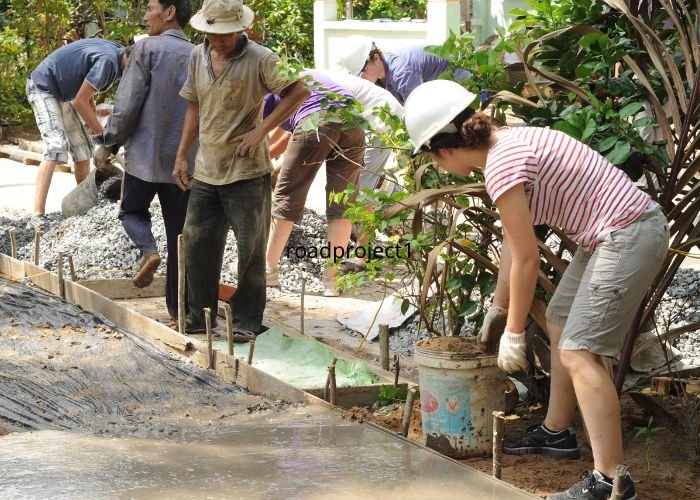
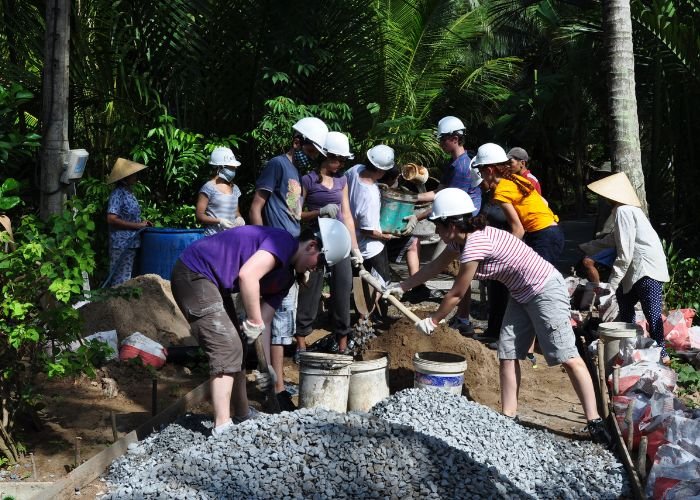
During Vietnam School Tours, students can experience this deeper side of culture. They may visit a local market and see how families choose ingredients for daily meals. They may join a farming activity and understand how weather, land and family labor shape livelihoods. They may meet local students and discover how school life in Vietnam is both different and familiar.
These experiences help students move beyond simple statements such as “Vietnam is different.” Instead, they begin to ask better questions: Why do people live this way? What values shape this community? How does geography influence culture? What can I learn from a way of life different from my own?
This is the beginning of true cultural learning.
Cultural Exchange Builds Respectful Curiosity
A good cultural exchange does not ask students to judge, compare or rank cultures. It encourages them to observe, listen and ask respectful questions.
When students enter a new cultural environment, they may notice things that surprise them. Food may taste different. Family routines may be unfamiliar. School activities may be organized differently. Communication styles may not be the same as what they are used to.
Without guidance, students may react too quickly. They may think something is strange simply because it is unfamiliar. But with thoughtful preparation and reflection, students learn to replace judgment with curiosity.
Vietnam School Tours can help students practice this skill. Before a community visit or school exchange, students can be briefed on local customs, respectful behavior, appropriate questions and cultural sensitivity. After the experience, they can reflect on what they noticed and how their understanding changed.
This process helps students become more open-minded. They learn that difference is not something to fear or dismiss. It is something to understand.
School Exchange Creates Human Connection
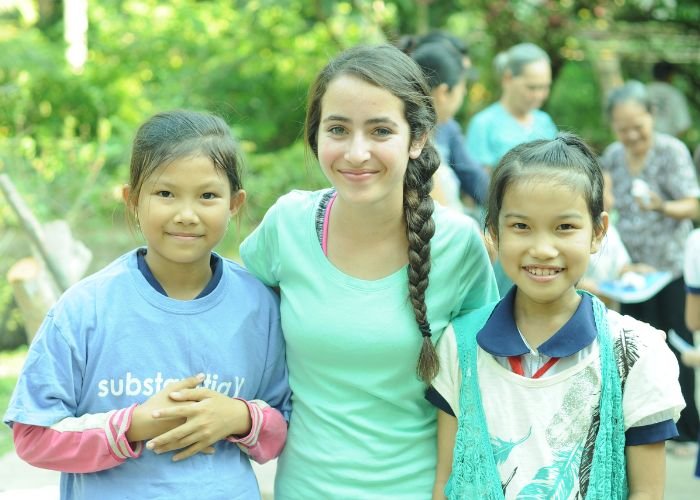
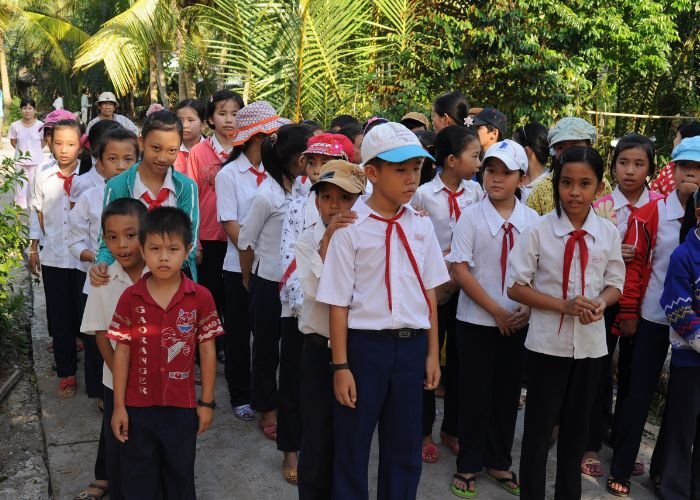
One of the most powerful forms of cultural exchange is local school exchange. When international students meet Vietnamese students, the experience often becomes one of the most memorable parts of the journey.
At first, students from both sides may feel shy. They may worry about language differences or not knowing what to say. But shared activities can quickly create connection.
Students may join group games, art activities, music, sports, reading sessions, English conversation, environmental projects or cultural sharing. These activities help students communicate beyond perfect language. They learn that smiles, gestures, teamwork and kindness can also build understanding.
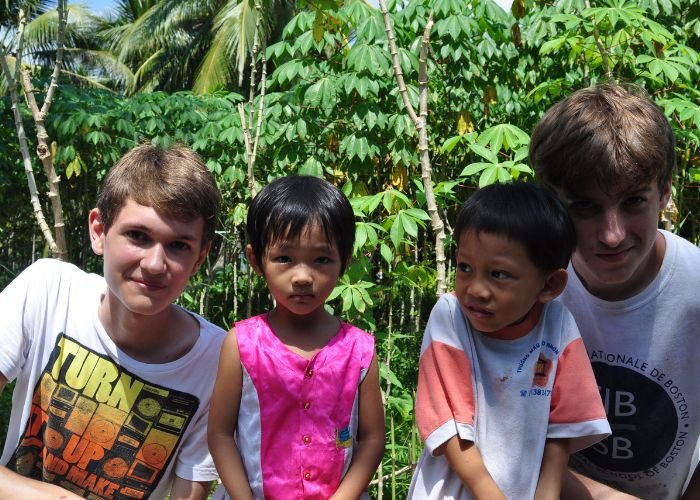
Through local school exchange, international students begin to see Vietnamese students as peers, not as people in a distant culture. They may discover shared interests, similar dreams and common emotions. They may also notice differences in school life, family expectations and daily routines.
This balance of similarity and difference is important. It helps students understand that people can live in different contexts while still sharing common human values.
Cultural Exchange Helps Students Understand Themselves
One of the surprising benefits of cultural exchange is that students do not only learn about another culture. They also learn about themselves.
When students encounter a new way of life, they begin to reflect on their own habits, values and assumptions. They may ask themselves why their own school system works the way it does, why their family routines feel normal to them, or how their own culture shapes the way they communicate.
For example, a student who visits a rural Vietnamese family may begin to think differently about convenience, family connection and daily work. A student who joins a local school exchange may reflect on their own education opportunities. A student who observes a farming community may better understand the relationship between food, labor and environment.
This kind of self-reflection is one of the reasons cultural exchange is so valuable. It helps students understand that their own way of life is not the only way. It is one way among many.
Vietnam Offers Rich Cultural Learning Environments
Vietnam is especially suitable for cultural exchange because the country is diverse, dynamic and deeply connected to community life.
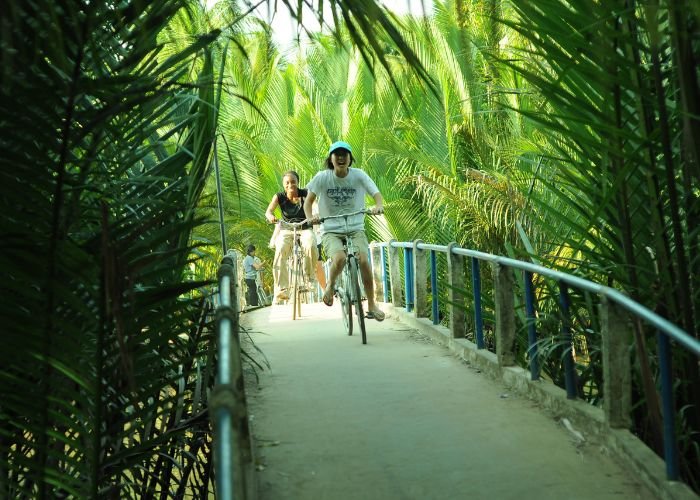
In the Mekong Delta, students can learn through river communities, floating markets, farming families, local schools and water-based livelihoods. They can see how rivers shape movement, food, work and community relationships.
In the Central Highlands, students can explore coffee culture, ethnic diversity, village life, forests and local livelihoods. This creates meaningful conversations about identity, sustainability, land, tradition and change.
In Northwest Vietnam, students can experience mountain communities, responsible trekking, homestay learning, ethnic cultures and rural schools. They can understand how geography influences daily life, education access and cultural traditions.
These destinations are not only places to visit. They are learning environments where students can experience Vietnam through people, place and purpose.
This is why Vietnam School Tours can be much more than travel. They can become a pathway to cultural understanding and global awareness.
Cultural Exchange Supports Communication Skills
Cultural exchange helps students develop communication skills in real situations. They learn that communication is not only about speaking clearly. It is also about listening, observing, adapting and showing respect.
During Vietnam School Tours, students may need to introduce themselves to local students, ask questions during a community visit, work with classmates to lead an activity, or speak with local people through translation support.
These experiences help students become more flexible communicators. They learn to slow down, use simple language, pay attention to body language and avoid making assumptions. They also learn that communication across cultures requires patience.
This is a valuable skill for the future. Whether students later study abroad, work internationally or collaborate with people from different backgrounds, cultural communication will matter.
Cultural Exchange And Global Citizenship
Global citizenship is not only about knowing world issues. It is about understanding people, respecting differences and acting responsibly in a diverse world.
Cultural exchange supports global citizenship because it helps students develop empathy, humility and awareness. It allows them to see global issues through human stories.
For example, students may learn about sustainability by speaking with farmers. They may learn about education access by visiting local schools. They may learn about public health through sanitation projects. They may learn about cultural identity through music, food, language and family traditions.
These experiences help students understand that global issues are not abstract. They affect real people in real communities.
Responsible Vietnam School Tours should help students reflect on questions such as:
What did I learn from this community?
What surprised me about daily life in Vietnam?
How did this experience challenge my assumptions?
How can I travel with more respect?
What does it mean to be a global citizen?
These questions help students move from travel experience to personal growth.
Avoiding Superficial Cultural Experiences
Not every cultural activity creates deep learning. Some tours only present culture as entertainment, where students watch a performance, take photos and leave. While these activities can be enjoyable, they may not lead to real understanding.
A meaningful cultural exchange should be interactive, respectful and connected to learning goals. Students should have opportunities to ask questions, participate appropriately and reflect on what they experience.
For example, instead of only watching a craft demonstration, students can learn about the artisan’s family, materials, market challenges and cultural meaning behind the craft. Instead of only visiting a village, students can learn about local livelihoods, community values and environmental conditions. Instead of only meeting local students briefly, they can join structured activities that encourage real interaction.
This is what makes cultural exchange educational.
The Role Of Reflection In Cultural Understanding
Reflection is essential after cultural exchange. Students need time to process what they saw, felt and learned.
Reflection can happen through journals, group sharing, guided questions, photo storytelling or creative presentations. Teachers can help students connect cultural experiences with subjects such as geography, history, social studies, language, environmental science and ethics.
Students may reflect on questions like:
What did I notice today?
What did I misunderstand at first?
What did I learn about local values?
How did this experience compare with my own life?
What should I remember when visiting another culture?
Reflection helps students understand culture more deeply. It also helps them become more respectful travelers.
Conclusion
Cultural exchange in Vietnam helps students understand the world differently because it moves learning beyond observation. Students meet people, join activities, ask questions, communicate across cultures and reflect on their own assumptions.
Vietnam School Tours can offer powerful cultural learning when they are designed with purpose, safety and respect. Students do not only discover Vietnam. They discover new ways of seeing people, community, education, culture and themselves.
In the end, a meaningful cultural exchange does more than teach students about another country. It helps them become more empathetic, open-minded and responsible young global citizens.